

The freedom of riding a motorcycle is unlike anything else. The open road, the wind on your face, the adrenaline of acceleration — it’s an experience cars can’t match. But with that freedom comes risk. Motorcycles offer little physical protection compared to cars, which means safety has to come from preparation, awareness, and the right habits.
At Precision Powersports Service, we’ve seen firsthand how the right gear and the right riding practices save lives. Motorcycle safety isn’t about killing the fun — it’s about making sure you get to ride tomorrow, and the day after that. This guide focuses on three of the most critical elements of motorcycle safety: choosing the right helmet, staying visible, and mastering defensive riding techniques.
Choosing the Right Motorcycle Helmet
Your helmet is the single most important piece of protective gear you’ll ever own. According to safety studies, helmets reduce the risk of death by nearly 40% and the risk of head injury by more than 65%. But not all helmets are created equal, and choosing the wrong one can compromise your safety.
1. Helmet Types
2. Fit and Comfort
A helmet must fit snugly — not painfully tight, but secure enough that it doesn’t shift when you shake your head. Loose helmets can come off during a crash, and oversized padding won’t protect properly. Always measure your head, try multiple sizes, and wear the helmet for several minutes before deciding.
3. Safety Standards
4. Features to Consider
The Importance of Visibility
One of the greatest dangers to motorcyclists is not being seen. Most motorcycle accidents involve another vehicle, often with the driver saying, “I didn’t see the motorcycle.” Because of a bike’s smaller profile, riders need to take extra steps to remain visible.
Gear That Stands Out
Black leather looks cool, but it doesn’t stand out in traffic. Consider jackets or helmets with high-visibility colors and reflective accents. Being visible is not about fashion — it’s about survival. Riders who commute daily often tell us that being seen is just as important as having a well-maintained machine, and those searching for motorcycle repair near meoften discover visibility upgrades are part of their service at reputable shops.
Lights and Signals
Keep headlights on at all times. Use auxiliary running lights to stand out and ensure brake lights are bright enough to grab attention. Adding modern LED systems can make a huge difference at night or in poor weather.
Lane Positioning
Ride in a part of the lane where drivers can see you in their mirrors. Don’t sit in blind spots or follow too close behind large vehicles. A well-placed rider is a visible rider.
Defensive Riding Techniques
Maintenance as Part of Motorcycle Safety
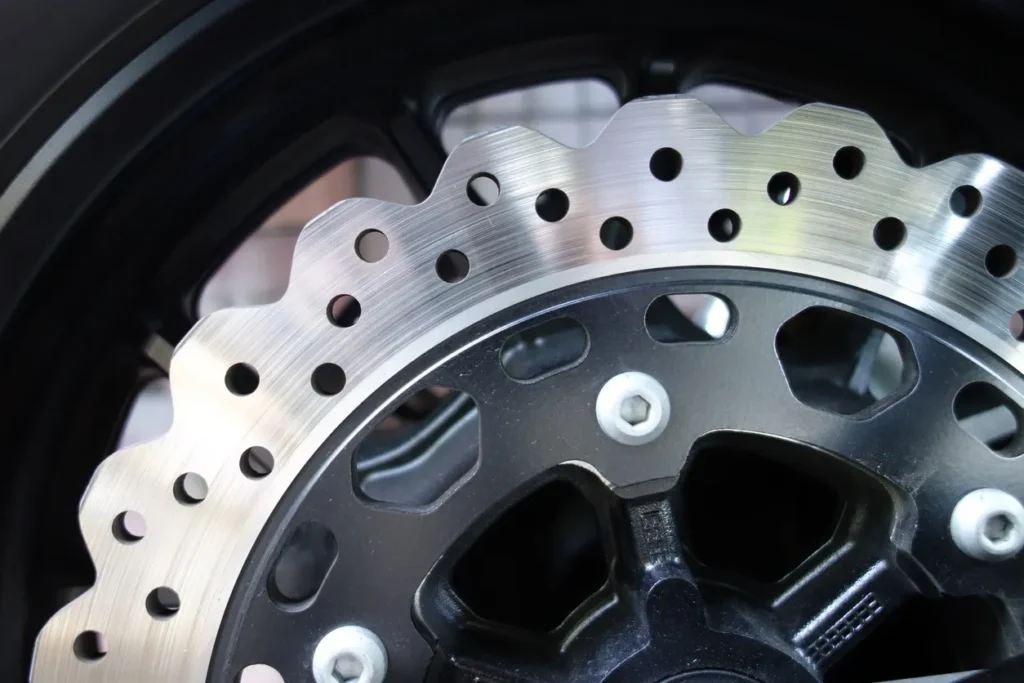
Safety isn’t just about helmets and habits — it’s also about the condition of your machine. A motorcycle with worn brakes, bald tires, or a loose chain is unsafe, no matter how skilled the rider.
At Precision Powersports Service, we remind riders that regular service is part of their safety plan. A fresh set of brake pads, properly adjusted suspension, or a tuned engine can mean the difference between a controlled stop and an accident. Many riders searching for motorcycle repair near me come to us not just for performance — but because they know a well-maintained bike is a safer bike.
Final Thoughts
Motorcycle safety doesn’t take away from the freedom of riding — it preserves it. The right helmet protects your head. Visibility keeps you noticed in traffic. Defensive riding prepares you for the unexpected. And regular maintenance ensures your motorcycle responds when you need it most.
At Precision Powersports Service, we believe safety and performance go hand in hand. Whether you’re new to riding or a seasoned veteran, remember that every safe ride starts with the right preparation.