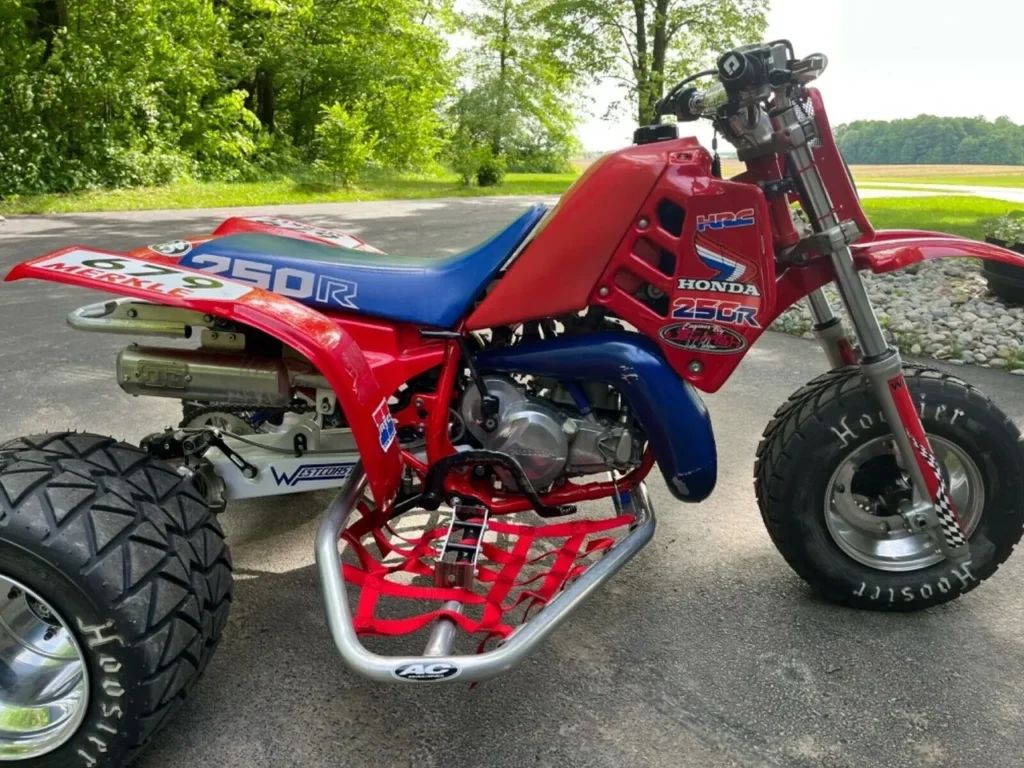
Three wheels, one legend. ATCs (All-Terrain Cycles)—the 3-wheelers that ignited off-road culture in the ’70s and ’80s—still have a grip on riders, farmers, and collectors. They’re light, torquey, and raw in a way modern machines rarely are. But they’re also vintage, which means age, scarcity, and safety demand real respect.
At Precision Powersports Service, we keep these classics alive. Some show up as dusty barn finds. Others limp in after decades of hard use. Whether you want a reliable ranch runner, a nostalgic trail toy, or a museum-worthy showpiece, this guide gives you everything you need to understand, preserve, and safely enjoy your ATC.
1) A Deep-Dive History of ATCs
1970—Honda’s US90/ATC90:
Honda’s balloon-tired US90 debuted as a light, playful utility machine. No suspension, 90cc four-stroke, huge low-pressure tires that “floated” across sand, snow, and mud. It wasn’t fast; it was go-anywhere.
Late ’70s—Demand explodes:
Families discovered they were perfect for camps and dunes. Farmers used them to check fence lines. Competitors followed—Yamaha, Kawasaki, Suzuki—each pushing capacity and capability.
Early ’80s—The performance era:
Displacements jumped (185, 200, 250, 350). Suspension arrived. The ATC250R two-stroke became a legend: agile, fast, and built for racing. The ATC350X brought big four-stroke torque and serious forks/shocks. Mini models like the ATC70made ATCs a family affair.
Mid-’80s—Safety controversy:
The 3-wheel layout demands active body positioning. Inexperienced riders tipped them in turns and off-camber terrain. Accidents and lawsuits mounted; public pressure rose.
1987—Production ends (U.S.):
Manufacturers shifted to the more stable 4-wheel ATV platform. ATCs became collectible overnight—part icon, part cautionary tale.
Today—A living artifact:
Values climb as supply dwindles. A well-sorted ATC offers something modern machines can’t: mechanical simplicity and a visceral ride that’s equal parts nostalgia and skill.
2) Why Maintenance Matters More on ATCs
ATCs are 35–55 years old. Even with low miles, time has been creeping in: rubber dries, gaskets shrink, carburetors varnish, wiring cracks. Routine care is no longer “recommended”—it’s non-negotiable.
- Aging materials: Hoses, seals, bushings, and cables get brittle even in storage.
- Ethanol fuels: Modern gasoline attacks old tanks and carbs, leaving flakes and varnish.
- Air-cooled engines: Dirt packed in fins and shrouds elevates temps, shortening engine life.
- Drum brakes & cables: Effective when dialed, but require frequent adjustment and fresh parts.
- Parts scarcity: Ignoring small issues can turn into “unobtainium” problems fast.
Pro Tip 💡: Treat every first start like a revival, not a joyride. Inspect. Prep. Then ride.
3) Engine & Fuel: The Lifeline of Your ATC
3.1 Revival Protocol (for barn finds or long-stored machines)
- Visual survey: Oil leaks, cracked lines, chewed wiring, missing bolts.
- Oil out: Drain before spinning the engine. Milky = water intrusion; metallic sparkle = internal wear.
- Compression test: Confirms ring and valve health; follow with leak-down if compression is low.
- Carb off/clean: Strip jets, soak body, verify float needle shuts off fuel.
- Fresh fuel & filter: Rinse tank, inspect petcock screen, add inline filter.
- Air filter service: Clean and oil foam carefully; replace paper elements.
- Ignition check: New plug, verify spark strength; points models need gap/timing set.
- First fire: Short idle only; verify oiling and cooling airflow; re-torque fasteners after heat cycle.
Pro Tip 💡: Never “just pour gas and kick it.” Old oil can be acidic; stale fuel can score cylinders; dry starts damage cams and bores.
3.2 Oil & Lubrication (running machines)
- Interval: Every 20–25 hours or at least once per season. Small sumps mean faster contamination.
- Oil type: Motorcycle/ATV oil (JASO MA/MA2); automotive friction modifiers can slip wet clutches.
- Filter/screen: Replace spin-ons; remove and clean mesh screens.
- Signs to watch: Fuel-smell (dilution), gritty feel (wear), burnt odor (overheat).
Pro Tip 💡: Warm the oil, then drain. Hot drains carry out more contaminants.
- Teardown: Remove bowl, jets, emulsion tube; never poke brass with steel wire—use proper cleaner.
- Float height: Set to spec; too high floods, too low starves.
- Pilot circuit: Controls idle and off-idle. Hesitation = clogged pilot or misadjusted screw.
- Needle clip: Mid-throttle response tuning (altitude/temperature changes).
- Main jet: Full-throttle fueling. White plug or pinging = lean; sooty plug = rich.
Pro Tip 💡: Mark idle-mixture baseline before changes so you can always return to “known good.”
- Rust & scale: Rinse with solvent; severe corrosion may require tank lining.
- Petcock service: New O-rings/screens stop drips and starvation.
- Inline filter: Cheap insurance against rust flakes.
3.5 Air-Cooling & Shrouds
- Fins & tins: Mud insulates—clean fins; ensure shrouds and deflectors are installed.
- Fan (if equipped): Verify function and airflow path.
- Plug reading: Tan = healthy. White = hot/lean. Black = rich/oily.
4) Drivetrain & Transmission: Where Power Meets Dirt
Most ATCs use a solid rear axle with chain final drive and either a manual or semi-automatic centrifugal clutch.
4.1 Clutch (semi-auto & manual)
- Symptoms: Slipping (rising revs, little go), grabby engagement, hard shifting.
- Adjustment: Many Honda clutches use a center lifter adjuster—loosen locknut, set to light seat, back off to spec, tighten.
- Plates & springs: Glazed or thin plates need replacement; weak springs cause slip.
Pro Tip 💡: Slipping after water crossings often traces back to fuel-contaminated oil (wet clutch)—change oil before chasing parts.
4.2 Chain, Sprockets & Alignment
- Slack: Measure mid-span; too tight stresses output bearings, too loose derails.
- Alignment: Use axle blocks or straightedge; misalignment eats sprockets.
- Sprocket wear: Hooked teeth = done. Always replace chain and sprockets together.
- Lube: After rides—especially after washing. O-ring chains help in mud.
4.3 Axle Bearings & Seals (solid axle)
- Checks: Wheel wobble, axle end-play, grinding noises.
- Seals: Keep water out; replace at first weep.
- Service: Clean, pack with high-pressure grease, or replace as a unit if rough.
5) Suspension, Steering & Frame: Control = Safety
Early ATCs relied heavily on low-pressure balloon tires; later models added forks and shocks. Decades later, most components need love.
- Leaks: Oil on stanchions or dust boots = seal failure.
- Action: Harsh bottoming or pogo-ing suggests low oil or blown valving.
- Service: New seals, fresh fork oil by volume; inspect bushings for slop.
5.2 Steering Head, Triples & Geometry
- Steering feel: “Notchy” = brinnelled bearings. Replace tapered rollers and set preload.
- Wobble: Loose triples, bent forks, or ovalized stem bores can cause tank-slappers.
- Crack zones: Down tubes, swingarm pivots, and engine mounts.
- Repair: Stop-drill, V-groove, TIG weld; add discreet reinforcement plates where appropriate.
- Finish: Sandblast and powder coat for durable restoration.
Pro Tip 💡: Powder before assembly, then torque-paint fasteners during final build so future inspections show movement immediately.
6) Brakes: Old Tech, Big Responsibility
Most ATCs use cable-actuated drum brakes. They work—when they’re fresh and properly adjusted.
- Shoes: Replace below ~2 mm lining; de-glaze drums lightly if scored.
- Cables: Frayed, sticky, or water-logged cables ruin leverage. Replace, don’t fight them.
- Adjustment: Set equal pull side-to-side (rear) and proper lever free-play (front).
- Water ingress: After crossings, brakes can “go silent.” Dry with light application on flat ground before descents.
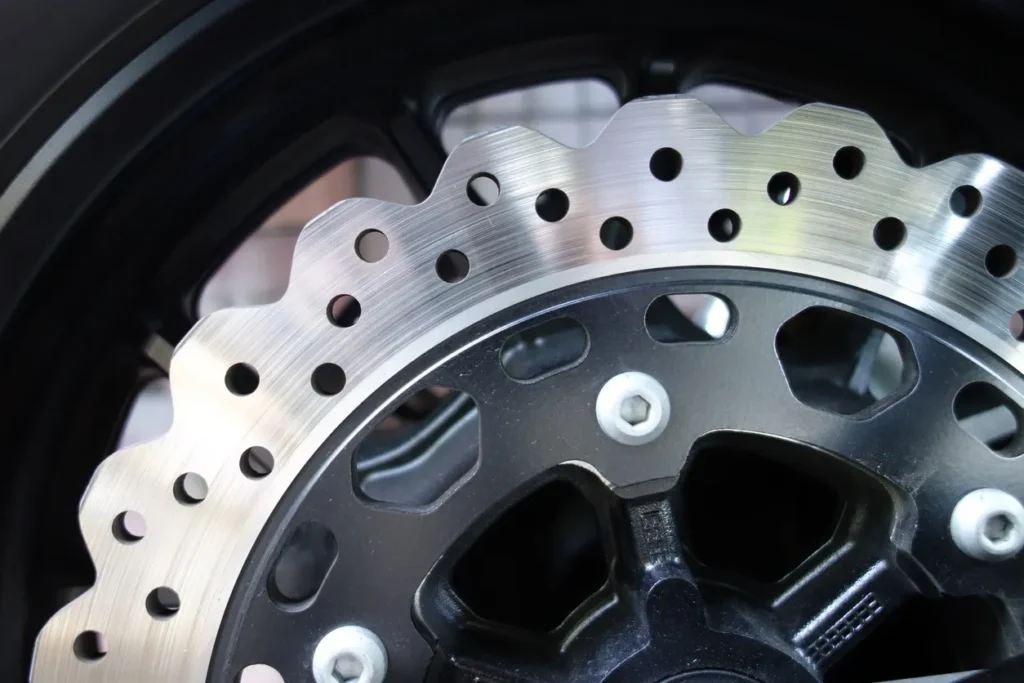
Pro Tip : For riders who actually use their ATCs, modern repro cables and quality shoes are the biggest braking upgrade short of a custom disc conversion.
7) Tires & Wheels: The Only Contact Patch That Matters
- Age before tread: Tires older than ~5–7 years harden and crack. Replace even if they “look new.”
- Pressure: Many ATCs run very low PSI (often 2–5 psi). Too low risks bead slip; too high ruins flotation and stability.
- Beads & stems: Spun tires show angled stems; re-seat, correct PSI, consider bead sealer.
- Wheels: Inspect for flat spots, cracks near bead seats, and loose rivets/bolts.
Pro Tip : Mark stems with a paint dot. If the dot rotates from valve-cap 12 o’clock, you’re slipping the tire—raise PSI or use bead locks/sealer.
8) Electrical: Points, CDI & Everything Between
- Points: Clean, set gap, verify condenser health; lightly lube cam felt.
- Timing: Static set with a test lamp or dynamic with a timing light at F mark.
- CDI: More reliable but still subject to weak stators or failing coils.
8.2 Harness, Grounds & Switches
- Harness: Brittle insulation, rodent chews, corroded bullets. Replace sections or full looms as needed.
- Grounds: Bright metal, star washers, dielectric grease on connectors (not on the mating surfaces).
- Kill/neutral switches: Intermittent kills trace back to dirty switchgear more often than bad boxes.
8.3 Battery (if equipped)
- Type: Modern AGM fits vintage trays well; resists vibration.
- Care: Tender in storage; periodic load tests.
Pro Tip : Bad grounds create “ghosts.” We add a dedicated engine-to-frame ground strap during every restoration.
9) Safe Riding Technique (3 Wheels ≠ 4)
ATCs demand active riding. Your body is a control surface.
- Cornering: Shift your hips to the inside, chest low over the bar, inside arm “push,” outside arm “pull.” Keep inside foot ready—but never dangle near the front wheel.
- Off-camber: Weight uphill. Make deliberate, small steering inputs; avoid sudden corrections that lift the inside rear tire.
- Braking: Use both brakes together; rely on engine braking when traction is low.
- Throttle discipline: Smooth roll-on keeps weight neutral; chopping throttle mid-corner can pitch weight forward and lift the inside rear.
- Loads & racks: Keep weight low and centered. High rear loads amplify tip-over tendencies.
- Passengers: Most ATCs were not designed for two. Extra mass high and rear is risky—don’t.
Pro Tip : Think “dirt bike with a solid rear axle.” You supply the lean; the machine won’t do it for you.
10) Cleaning & Post-Ride Protection
- Rinse, don’t blast: Use hose pressure around bearings, seals, and drum covers; reserve pressure washer for frame/tires from a distance.
- Dry fast: Leaf blower or compressed air around fins, electrics, cable ends.
- Re-lube: Chain, cables, pivot points.
- Corrosion guard: Light film on fasteners, bare aluminum, and brackets.
- Fastener check: Vintage vibration loosens things—walk the machine with a nut driver and paint-pen.
Pro Tip : Add “wash + lube + quick fastener audit” to the end of every ride. That habit prevents 80% of surprises.
11) Common Problems (Symptoms → Causes → Fix)
Hard start when cold → Stale fuel, clogged pilot jet, tight valves.
Fix: Fresh gas, clean carb pilot circuit, set valve lash.
Starts, won’t idle → Air leak at intake boot, mis-set idle mixture.
Fix: Replace cracked boot, baseline and tune mixture screw.
Misfire at WOT → Lean main jet, weak coil, venting issue.
Fix: Upjet/main jet clean, test coil, verify cap/vent.
Clutch slip under load → Thin plates, weak springs, fuel-diluted oil.
Fix: New plates/springs, change oil, adjust lifter.
Wobble/steering shake → Notched head bearings, bent rim, low tire PSI.
Fix: Replace bearings, true/replace wheel, correct PSI.
Weak brakes → Glazed shoes, waterlogged drums, seized cable.
Fix: Replace/de-glaze shoes, dry/clean drums, new cables, adjust.
Overheating → Fins packed with mud, lean tune, missing shrouds.
Fix: Clean fins, correct jetting, reinstall tins/shrouds.
12) Seasonal Care for Vintage ATCs
Spring Recommissioning
- Oil/filter, plug, valve lash check (where applicable).
- Carb clean & float test; fuel filter install.
- Chain/sprockets inspection, axle bearings, cable health.
- Brake shoe thickness and cable replacement if sticky.
- Tire date codes & PSI; wheel cracks.
- Electrical: spark strength, charging (if equipped), switch function.
In-Season (every few rides)
- Clean/oil foam filter; check mixture and plug color after temperature swings.
- Chain clean/lube & slack set.
- Brake adjustment and quick drum dry-out after deep water.
- Fastener paint marks: look for movement.
After Deep Mud/Water
- Drain carb bowl, dry brake drums, re-grease axle bearings if intrusion suspected.
- Inspect oil for milkiness; change if contaminated.
Storage (30+ days)
- Drain carb; stabilize or drain tank.
- Oil change to remove acids.
- Battery on tender (if equipped).
- Tires to spec PSI; elevate if possible.
- Cover with breathable, UV-resistant cover in a dry location.
13) Collector’s Corner: Rarity, Restoration & Value
Iconic Models (highlights)
- Honda ATC90/US90 (1970): Balloon-tire pioneer. Historic, charming, simple.
- ATC185/200 (early ’80s): Farm-tough workhorses; ubiquitous and still practical.
- ATC250R (’81–’86): Two-stroke race icon; light and fast; heavily collected.
- ATC350X (’85–’86): Big four-stroke torque, serious suspension—short production, high desirability.
- ATC70: Family favorite; skyrocketing nostalgia value.
Pro Tip 💡: Original plastics, decals, and paint carry major collector weight. “Unrestored but intact” often sells for more than “pretty but incorrect.”
- Parts: NOS is scarce; repro quality varies—know your suppliers.
- Frames: Crack repair and invisible reinforcement keep originality while adding safety.
- Engines: Expect at least a top-end refresh; many need full rebuilds for longevity.
- Wiring: Brittle harnesses cause headaches—fresh looms are a smart investment.
- Plastics: Gentle heat reforming, careful wet sanding, period-correct paint/decals when replacements aren’t available.
- Specialty vendors, forums, and donor bikes all matter. Keep receipts, VIN photos, before/after pictures. Provenance adds value.
Values & Trends (general guidance)
- Runners/workhorses: Often $1,000–$2,000 depending on region/condition.
- Sport legends (250R/350X): $5,000–$10,000+, originality commanding premiums.
- Minis (ATC70): Rising fast, especially with factory plastics.
- Nut-and-bolt restorations: Top-tier pricing in private sales and niche auctions.
14) How Precision Powersports Service Serves ATC Owners
- Revival & Diagnosis: Compression/leak-down, oil analysis, fuel system rehab, electrical test—before we chase performance.
- Engine Rebuilds: Precision top/bottom ends, valve work, bore/hone with correct clearances.
- Drivetrain & Brakes: Clutches, chains/sprockets, axle bearings, drum overhauls, fresh cables, and proper adjustments.
- Suspension & Frame: Fork rebuilds, shock service/replacement, steering head bearings, crack repair and tasteful reinforcement.
- Electrical Reliability: New looms where needed, proper grounds, switch refurb, points-to-CDI consultation where appropriate.
- Restorations: From sympathetic “preserve and protect” to full period-correct nut-and-bolt builds—paint codes, decals, hardware cad/zinc finishing.
- Practical Upgrades: Repro cables, modern shoe compounds, AGM batteries, discreet reliability mods that preserve the vintage look.
Pro Tip : Tell us your goal—working ranch tool, nostalgic rider, or concours showpiece. The build plan (and parts choices) follow your vision.
15) Final Thoughts
A well-kept ATC is a time machine: a direct line to the early days of off-road adventure. Respect the design, ride with intention, and service it like the vintage machine it is. Do that, and your three-wheeler won’t just survive—it’ll shine.
Contact Precision Powersports Service
We’d love to help you revive, maintain, or fully restore your ATC.
Precision Powersports Service — where vintage three-wheelers get the modern craftsmanship they deserve.