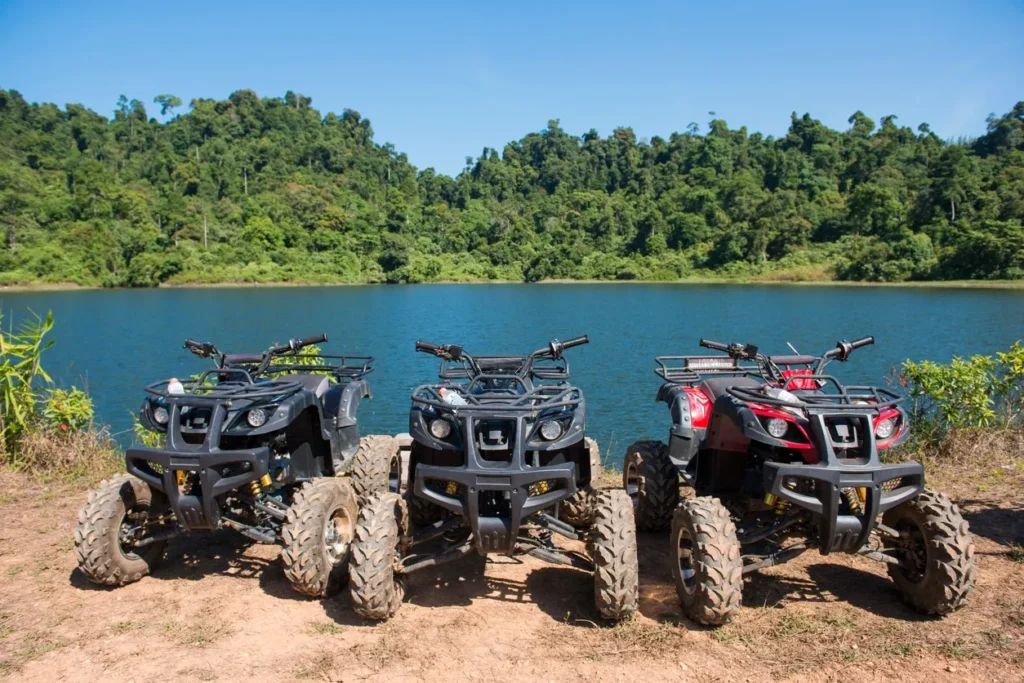
All-Terrain Vehicles (ATVs) are built for a tough life. Unlike cars or motorcycles that mostly stick to pavement, ATVs thrive in mud, dirt, sand, water, and rocky terrain. They’re trusted tools for farmers and hunters, but also beloved machines for weekend warriors and trail riders.
But the very environments that make ATVs so fun are also what wear them down. Every ride grinds grit into bearings, forces mud into seals, and puts heat and strain on small but hardworking engines. The truth is simple: ATVs don’t survive neglect.
At Precision Powersports Service, we’ve worked on thousands of machines. We’ve seen quads kept in pristine condition after years of heavy trail use, and we’ve seen nearly new ATVs destroyed because they weren’t maintained. What makes the difference? Consistent, detailed care.
This guide is written to help every rider — whether you use your ATV for trail riding, mud bogging, hunting, or farm work — understand exactly what it takes to keep it reliable.
Why ATV Maintenance Isn’t Optional
An ATV looks rugged, and it is, but it’s not invincible. The abuse these machines face is beyond what most vehicles would ever endure:
- High RPM Riding: Small-displacement ATV engines are designed to spin fast. That creates more heat and stresses oil more quickly than in a car engine.
- Contaminants: Dust, dirt, and mud aren’t just messy — they act like sandpaper on moving parts. Without proper filtration and lubrication, grit eats away at metal surfaces.
- Water Exposure: Whether it’s crossing creeks, riding in the rain, or washing after a muddy day, water inevitably finds its way into sensitive areas like bearings, electrical connectors, and sometimes even the engine.
- Storage Conditions: Many ATVs live outdoors or in barns where humidity, rodents, and UV rays attack plastics, wiring, and seals year-round.
- Heavy Loads: Farmers and hunters often tow trailers, drag game, or haul supplies. That adds strain to the drivetrain, suspension, and cooling system.
👉 A neglected ATV won’t just perform poorly — it will fail when you need it most. And unlike a car that breaks down near a gas station, an ATV usually breaks down deep in the woods, far from help.
Engine Care: The Lifeline of Your ATV
The engine is the most expensive and hardest-working part of an ATV. Keeping it healthy is your top priority.
Oil and Filter Maintenance
Your ATV’s oil is its blood. It lubricates, cools, and cleans. Because ATV engines work harder and run hotter than most, oil degrades fast.
- Change Intervals: Every 25–50 hours of riding or once per season — whichever comes first. Mud bogging, towing, or racing? Lean toward the shorter side.
- Signs Oil Needs Changing: Dark color, burnt smell, or gritty texture.
- Filters: Always change the oil filter when changing oil. Mesh screen filters need cleaning, while spin-on filters should be replaced outright.
At Precision Powersports Service, we not only change your oil but also examine what’s in it. Milky oil signals water intrusion. Metallic particles hint at wear. Both need immediate attention.
Air Filter Protection
Your air filter is the shield between your engine and the dust cloud it kicks up. Without it, dirt enters the combustion chamber and acts like liquid sandpaper.
- Foam Filters: Wash after every ride in dusty/muddy conditions. Dry thoroughly and re-oil before reinstalling.
- Paper Filters: Replace when clogged. Never wash — water ruins the fibers.
- Clues to Replace: Loss of power, rich fuel smell, or visible dirt bypassing the filter.
Spark Plug Health
The spark plug ignites your fuel/air mix. A weak or fouled plug causes hard starts, misfires, and poor fuel economy.
- Replace every 100 hours or each season.
- Check color: Tan = healthy, black = too rich, white = too lean.
Valve Adjustments
Many 4-stroke ATVs require valve clearance checks every 1,000–2,500 miles. Tight valves make starting difficult and can burn valves. Loose valves create noise and rob power.
Drivetrain and Transmission: Power Transfer Under Stress
ATV drivetrains endure abuse that cars never face — mud grinding into sprockets, belts snapping under full throttle, and gearboxes submerged in creek crossings.
CVT Belt Systems
Most modern ATVs use CVTs. The belt constantly adjusts to keep you in the right gear ratio, but it’s also a wear item.
- Signs of Wear: Jerky takeoff, slipping under load, or high revs with little forward motion.
- Inspection: Check every 1,000 miles for cracks or glazing.
- Replacement: Every 3,000–5,000 miles or when out of spec.
If a belt snaps mid-ride, you’re not limping home — you’re walking. That’s why we always recommend proactive replacement.
Chain and Sprocket Systems
Chain-driven ATVs demand regular attention.
- Clean and lube after every ride — mud and water strip lubrication.
- Inspect sprockets: Worn teeth look pointed or hooked.
- Replace chain and sprockets as a set for even wear.
Differentials and Gearboxes
These parts often get overlooked but are critical for 4WD operation.
- Change differential oil every season.
- Use the correct viscosity and additives — some need limited-slip friction modifiers.
- Check for leaks after rides involving water crossings.
Suspension and Steering: Control and Comfort
ATVs rely on suspension to absorb bumps, protect the frame, and keep wheels planted.
- Shocks: Inspect for oil leaks and bent shafts. Replace if bottoming out becomes common.
- Bushings & Joints: Loose or worn parts make handling sloppy. Grease regularly to prevent wear.
- Steering Head Bearings: If your handlebars feel “notchy” when turning, the bearings need service.
Failing suspension isn’t just uncomfortable — it reduces control and increases rollover risk.
Brake System: Safety Comes First
On steep hills or muddy descents, brakes are your only lifeline.
- Pads & Shoes: Inspect every 500 miles. Replace when friction material is thin.
- Fluid: Brake fluid absorbs water over time, lowering its boiling point. Replace every 2 years, no exceptions.
- Lines: Cracked or swollen lines must be replaced.
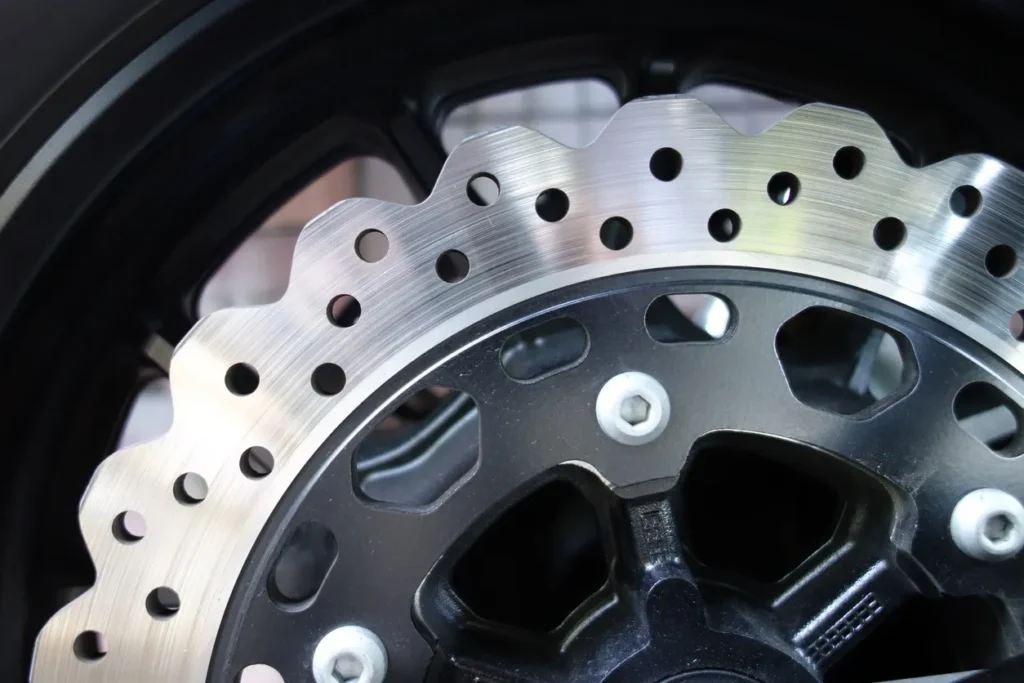
- Rotors: Warped or grooved rotors reduce stopping ability.
Never gamble with brakes. At Precision Powersports Service, we recommend checking them before every ride, especially when carrying passengers or towing.
Tires and Wheels: Grip Where It Counts
ATV tires aren’t just about traction — they’re a safety feature.
- Air Pressure: Small changes drastically affect handling. Low pressure can unseat a bead; high pressure reduces grip.
- Tread: Worn tires lose bite in mud, sand, or snow. Replace when tread is under 2mm.
- Age: Tires degrade even if unused. Cracks from dry rot mean replacement is due.
- Wheels: After hard rides, inspect for dents, bends, or cracks.
Good tires = safety, comfort, and better control.
Electrical System: The First Thing to Fail
ATVs are notorious for electrical issues, mostly due to water and mud.
- Battery Life: Expect 2–3 years. Store indoors with a tender during winter.
- Connections: Apply dielectric grease to keep water out.
- Charging Systems: Weak stators or bad regulators cause dead batteries. Test annually.
- Lights & Switches: Check regularly; moisture corrodes fast.
Neglecting small electrical issues almost always leads to big failures later.
Cleaning and Post-Ride Protection
An ATV wash isn’t vanity — it’s essential maintenance.
- Rinse Promptly: Mud left to dry hardens like concrete.
- Avoid High-Pressure on Bearings: Forceful water pushes past seals.
- Dry Thoroughly: Water left sitting corrodes connectors and fasteners.
- Re-Lube: Chains, linkages, and grease fittings must be serviced after washing.
Think of cleaning as part of your ride — not an afterthought.
Common Problems and How to Prevent Them
From years in the shop, here are the top preventable ATV issues we see:
- Overheating: Mud-clogged radiators, old coolant, or bad fans.
- Snapped CVT Belts: Ignored service intervals.
- Brake Fade: Fluid never replaced, overheats under stress.
- Electrical Failures: Corroded connectors from washing or water crossings.
- Bearing Failures: No re-greasing after wet rides.
Every one of these can be prevented with routine inspections and service.
Seasonal ATV Maintenance Checklist
Spring (Pre-Season):
- Full oil/filter change.
- Replace spark plug.
- Charge and test battery.
- Check brakes, tires, and fluid levels.
Summer (In-Season):
- Clean or replace air filter weekly in dusty conditions.
- Wash after muddy rides.
- Mid-season oil change.
- Inspect CVT belt.
Fall (Hunting/Work):
- Brake system check before heavy towing or steep terrain.
- Suspension grease service.
- Tire replacement if worn.
- Coolant check before cold weather.
Winter (Storage):
- Stabilize or drain fuel.
- Change oil to remove contaminants.
- Remove battery and store indoors.
- Cover ATV with breathable, weatherproof material.
FAQs: Expert Answers for ATV Owners
Can I pressure wash my ATV?
Yes, but carefully. Avoid seals, bearings, and the airbox. Always lube afterward.
How often should I change ATV oil?
Every 25–50 hours of riding. Mud bogging? More often.
How do I know if my CVT belt is worn?
Slipping, high RPM with low speed, or jerky starts are signs. Inspect every 1,000 miles.
Do ATVs need valve adjustments?
Yes — most 4-strokes need them every 1,000–2,500 miles.
What’s the best way to winterize my ATV?
Stabilize fuel, change oil, remove battery, inflate tires, and cover with breathable fabric.
Why Choose Precision Powersports Service
We’ve built our reputation by treating every machine with the respect it deserves. At Precision Powersports Service, your ATV gets:
- Full-Service Repairs: From oil changes to engine rebuilds.
- Preventive Inspections: We catch issues before they become breakdowns.
- Mud & Water Expertise: We know how to protect ATVs in the harshest conditions.
- Transparent Service: We explain what’s urgent, what’s optional, and why.
Your ATV isn’t just a toy — it’s your ticket to freedom, work, and adventure. Let us keep it ready.
Contact Precision Powersports Service