
Most powersports problems give warning signs before they leave you stranded. A slow crank, a new vibration, or a wet spot under the machine usually means something has changed. Learning to diagnose powersports problems at a basic level helps you describe the issue clearly, avoid making it worse, and get a faster answer from a shop that offers professional powersports diagnostics.
This guide covers safe, simple checks for motorcycles, ATVs, and jet skis, the symptoms that mean you should stop riding, and what to tell your technician. It is not a replacement for motorcycle repair, ATV repair, or jet ski repair done by a trained technician.
Why You Should Diagnose Powersports Problems Early
Early diagnosis matters because small issues rarely stay small. A weak battery, a minor seep, or a skipped fluid check can grow into damage that ends in engine rebuild work if you keep riding.
Noticing problems early also speeds up the repair. When you can say “it cranks slowly when cold” instead of “it won’t work,” a technician can start system-level diagnostic testing in the right place.
Pre-visit checks do not replace a professional. They tell you what to look at and what to report. If you are curious about typical costs, the shop’s motorcycle repair cost guide is a useful reference.
Basic Checks to Perform Before Visiting a Powersports Shop
These visual checks apply to most machines and take about ten minutes. Always follow your owner’s manual for fluid types, locations, and procedures, and do them with the engine off and cool. Shops that handle motorcycles, ATVs, and jet skis see the same basics cause most no-start calls.
- Battery and connections. Look for corroded, loose, or damaged terminals and cables. A battery that keeps going flat is worth reading about in why a motorcycle battery keeps dying.
- Fuel. Check the level and think about how long the fuel has been sitting. Old fuel is a common culprit after storage.
- Oil and other fluids. Check oil, coolant (on liquid-cooled machines), and brake fluid as your manual directs.
- Leaks and damage. Look under the machine for drips and over it for cracked hoses, loose connectors, and chafed wiring.
- Sounds, smells, and vibrations. Note anything new, and when it happens.
Your senses are good diagnostic tools. A burning smell, a rhythmic knock, or a vibration that appears at one speed all help a technician narrow down engine and electrical problems.
DIY Motorcycle Diagnosis: Common Problems to Look For
DIY motorcycle diagnosis works best as observation, not repair. The shop’s guide to common motorcycle engine problems covers many of the symptoms below in more depth.
- Starting difficulties: Clicking, a slow crank, or a crank with no start. Check that the kill switch is off, the kickstand or clutch safety is not interfering, and the battery terminals are tight.
- Battery and charging problems: Dim lights, a flickering dash, or a battery that dies overnight can point to a battery or charging-system issue.
- Overheating: A temperature warning, a boiling smell, or coolant loss. Stop and let the engine cool.
- Unusual engine noises: Ticking, knocking, or grinding that is new or getting worse.
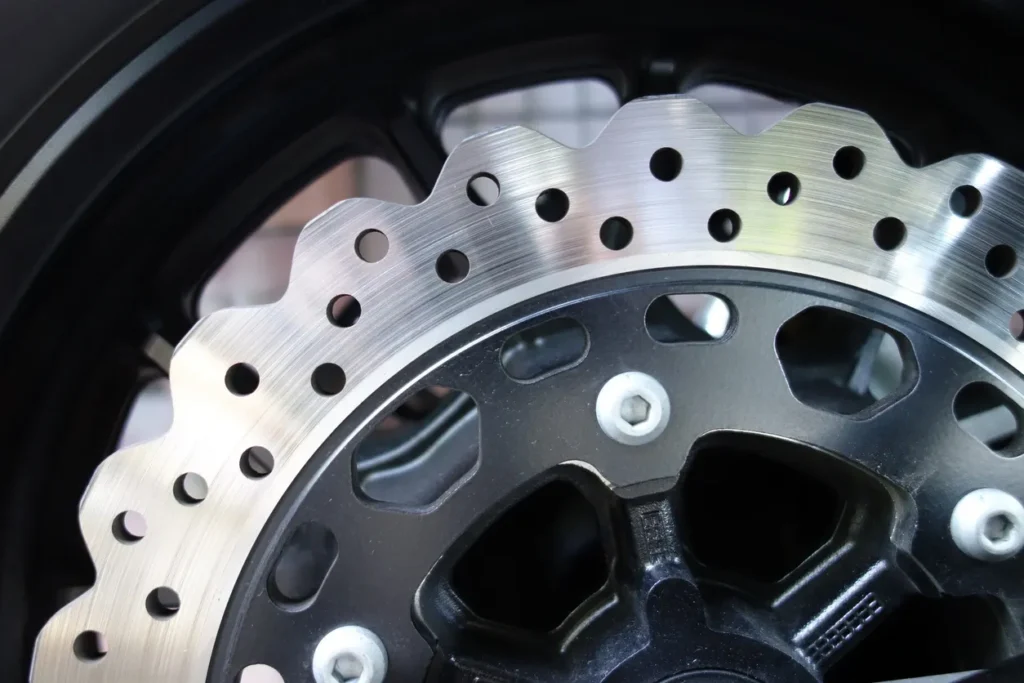
- Brake and tire warning signs: A soft lever, squealing, uneven tire wear, or low pressure.
If the bike won’t start, this electrical vs. fuel troubleshooting guide helps you sort out which system to suspect before you call the shop.
ATV Troubleshooting: How to Identify Common Issues
ATV troubleshooting follows the same logic as motorcycles, with extra attention to mud, water, and heavy use. For a deeper walkthrough, see the shop’s post on why an ATV won’t start.
- Starting and ignition problems: No crank, slow crank, or crank without firing. Check the battery, kill switch, and fuel supply first.
- Transmission and drivetrain symptoms: Hard shifting, slipping, clunking, or grinding when changing gears or under load.
- Suspension and steering concerns: Loose or vague steering, pulling to one side, or a bouncy ride.
- Unusual engine performance: Hesitation, surging, rough idle, or lost power.
- Electrical and battery issues: Dead lights, repeated blown fuses, or a battery that won’t hold a charge.
Routine care prevents many of these problems, which is why the complete guide to ATV maintenance is a good companion read. For problems beyond a visual check, a shop that offers ATV and side-by-side repair can test the system properly.
Jet Ski Inspection: What to Check Before Visiting a Shop
A jet ski inspection starts on the trailer or dock, before the engine runs. The shop’s owner’s guide to common jet ski problems gives helpful background on what owners typically run into.
- Hull and exterior: Look for cracks, gouges, or damaged seals and fittings.
- Battery and electrical system: Check terminals for corrosion and look for loose or damaged wiring.
- Visible leaks: Look in the engine bay and under the machine for fuel or oil.
- Fluid levels: Check only what your manual says to check.
- Intake grate and jet pump: Look for weeds, rope, or debris you can see from outside. Do not disassemble the pump.
- Warning lights and engine behavior: Note any alerts, stalling, or loss of power.
If the ski capsized, took on water, or sat after submersion, do not keep cranking the engine. Read about hydrolocked jet skis and consider professional insurance and water damage repair. If it simply refuses to start, see why a jet ski won’t start.
Warning Signs That Require Professional Powersports Repair
Some symptoms go beyond a home check. These are the ones to take seriously, and a shop that offers engine diagnostics and repair can find the root cause:
- Starting problems that keep coming back
- Engine overheating
- Oil or fuel leaks
- Knocking, grinding, or other unusual mechanical noises
- Electrical failures, such as repeated blown fuses or lights cutting out
- Loss of power or changes in handling, braking, or steering
Stop riding if you smell fuel, see smoke, overheat, or feel braking or steering problems. Continuing can turn a repairable fault into major damage, such as the kind covered in rebuild or replace decisions.
What Information Should You Share With Your Powersports Technician?
Good notes make powersports diagnostics faster and more accurate. Bring or send:
- Symptoms and timing: Cold start, after heat soak, under load, or at certain speeds.
- Warning lights or codes: Write down exactly what appeared.
- Recent repairs or maintenance: Including new parts, storage, or modifications.
- Sounds and smells: Describe them as plainly as you can.
- Photos or videos: Of leaks, damage, or the sound happening.
The more specific your report, the less time a technician spends guessing. If you are unsure what matters, contact the shop and ask before you bring the machine in.
When to Visit Precision Powersports Service
Once your own checks reach their limit, professional diagnosis saves time and money. Precision Powersports Service in Sunrise, FL, works on motorcycles, ATVs, side-by-sides, and jet skis, and its diagnostics service covers starting, charging, electrical, fuel, overheating, and intermittent problems.
If you can’t ride or tow the machine in, ask about pickup and delivery. The shop is open Monday to Friday, 10 AM to 6 PM, and welcomes walk-ins. You can also call (754) 422-6920 or reach out through the contact page.
Conclusion
Learning to diagnose powersports problems early helps you catch trouble before it strands you or damages the machine. Safe, simple checks of the battery, fuel, fluids, leaks, and unusual sounds give you real information, even though they can’t replace expert powersports diagnostics.
Whether it’s a motorcycle, ATV, or jet ski, stop when something feels unsafe and get it inspected. Precision Powersports Service is ready to help when you want a clear answer, so get in touch when you’re ready.
Frequently Asked Questions
Can I diagnose motorcycle problems at home?
You can do basic visual checks at home, such as inspecting the battery, fuel, fluids, tires, and brakes. These help you narrow down likely causes but cannot confirm complex engine, electrical, or fuel faults. For those, professional motorcycle repair is the safer option.
What are the most common signs of ATV mechanical problems?
Common signs include hard starting, rough or weak engine performance, grinding or slipping when shifting, loose steering, and electrical failures. See the guide on ATV starting problems for more detail.
How do I know if my jet ski has an engine problem?
Warning signs include hard starting, stalling, overheating, unusual noises, smoke, or loss of power. Debris at the intake grate can also reduce performance, so check what is visible, then consider personal watercraft repair if symptoms continue.
Can I ride my motorcycle if the check engine light is on?
It depends on the light and how the bike is running. A steady light with normal performance may allow a cautious ride to a shop, but a flashing light, overheating, or poor running is a reason to stop. Check your manual and have the bike looked at through diagnostic testing.
When should I take my powersports vehicle to a repair shop?
Go when problems persist after basic checks, or immediately for leaks, overheating, brake or steering issues, or unusual mechanical noises. When in doubt, contact the shop before riding.